
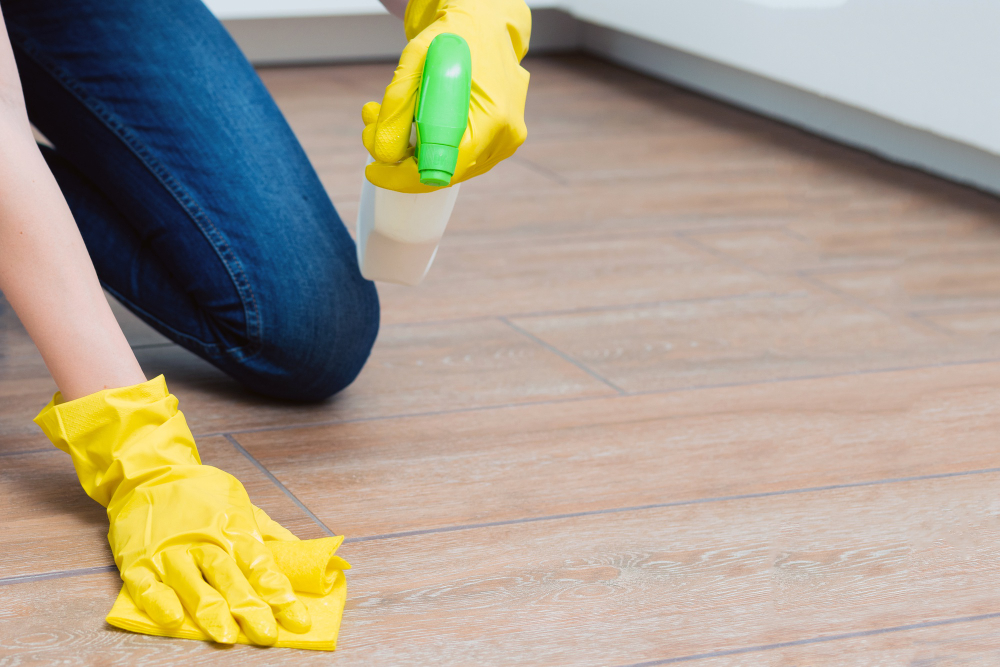
Timber floors last decades, but only if you avoid a handful of avoidable mistakes, and actually keeping it looking its best requires a little thought about how the floor is used and maintained. Fortunately, caring for a timber floor does not need to involve complicated routines or specialist equipment. Most of the important steps come down to preventing problems before they happen, removing dirt regularly and using suitable cleaning methods.
One of the biggest advantages of a well maintained timber floor is that everyday care can become part of your normal household routine. A quick sweep, prompt attention to spills and a few sensible precautions around furniture can make a significant difference over time. It is also worth remembering that timber is a natural material, so small changes in colour, texture and character can occur as the floor ages.
Whether your flooring has recently been installed or has been part of your home for years, understanding how excess moisture, dirt, sunlight and furniture can affect it will help you protect your investment.
1. Always Start With Regular, Gentle Cleaning
Grit is the main culprit behind fine surface wear. It’s not the occasional dropped object that dulls a timber floor over the years, and this is because it’s the sand and dust that gets walked across the surface daily, working like fine sandpaper under every footstep. Sweeping or vacuuming regularly is the simplest way to stay ahead of it.
When vacuuming, use a hard floor attachment rather than a standard carpet head since the bristles designed for carpet can be far too abrasive for timber. Clear loose dirt before you mop, so it isn’t dragged across the surface and ground into the finish. Once you do reach for a mop, use it lightly damp rather than wet as standing water or heavy moisture can work into joints and seams, where it may contribute to swelling or staining over time.
The products you use matter just as much as the technique. Most strong detergents and general-purpose household cleaners often contain ingredients unsuited to finished timber, and using the wrong one can dull or damage the surface. A cleaner formulated for your specific flooring finish, whether oiled, lacquered or otherwise, is the safer choice, and your manufacturer’s care instructions should be the first reference point if you’re ever unsure.
2. Deal With Spills and Moisture Quickly
Timber and standing water don’t mix well, and how quickly you respond to a spill matters more than how large it is. A splash wiped up straight away rarely leaves a trace. The same amount of liquid left for twenty minutes has time to work into joints and affect the surface underneath, which is why kitchens and dining areas and entryways deserve the most attention.
Use a clean, absorbent cloth to lift spills rather than letting them evaporate on their own. Entrances are worth watching closely during wet weather, since moisture and grit are often carried in on shoes before anyone notices. A door mat at each external entry point helps catch both before they reach the timber.
Moisture management starts well before a spill ever happens, too. Concrete and timber substrates should be checked for moisture levels before and during installation, since excess moisture beneath or around the flooring can cause problems that only surface later. Professional moisture testing at this stage allows any issues to be addressed while they’re still straightforward to fix, rather than after the floor is down.

3. Protect the Floor From Everyday Wear
Most of the damage a timber floor sustains has nothing to do with accidents, and instead it comes from routine activity such as chairs pulled back from a table, furniture nudged into place, shoes crossing the room dozens of times a day. Felt pads under furniture legs address the most common source of this wear, though they need to be checked periodically and replaced once they thin out or pick up debris.
Of course, heavier items call for more care again. Appliances and large furniture should never be dragged directly across the floor, and moving equipment or protective sliders reduce the risk of gouging when repositioning something substantial.
High heels and other shoes with narrow, hard contact points concentrate a surprising amount of pressure into a small area, which can dent timber that would otherwise handle normal foot traffic without issue. Pets are a similar story: untrimmed claws and grit carried in on paws are a common, if minor, source of scratching, and both are easy to manage with a regular trim and a quick wipe-down of high-traffic areas.
None of these precautions demand much effort individually. Where they do add up is over years, not weeks, which is exactly why they’re worth building into a routine early rather than addressing after the damage is done.
4. Think About Sunlight and Indoor Conditions
Natural light is one of the reasons timber floors look so good in the first place, but prolonged direct sun exposure gradually changes their colour. Depending on the species and finish, sections that catch strong sunlight can shift tone noticeably faster than areas shaded by furniture or rugs, leading to an uneven appearance over time.
Curtains or blinds during the brightest hours of the day help slow this process, and shifting rugs and furniture occasionally prevents any one section from staying permanently shielded while the rest of the floor ages around it.
Timber responds to changes in humidity and moisture in the air, so keeping conditions relatively stable indoors supports the floor’s long-term appearance. It’s a reminder that moisture control isn’t only about spills and cleaning; it’s an ongoing factor in how the floor performs season to season.
Give Your Flooring the Right Long-Term Care
There’s no universal cleaning schedule that fits every home. A busy household with kids and pets will need more frequent attention than a quiet, low-traffic room, and the right routine is the one that matches how the space actually gets used. What holds true across every situation is that light, regular maintenance is far easier than trying to correct months of accumulated dirt and grime in one go.
Taking care of the floor starts before the first board is laid, and a considered approach to installation and maintenance can help keep timber flooring looking attractive and performing well for many years.