
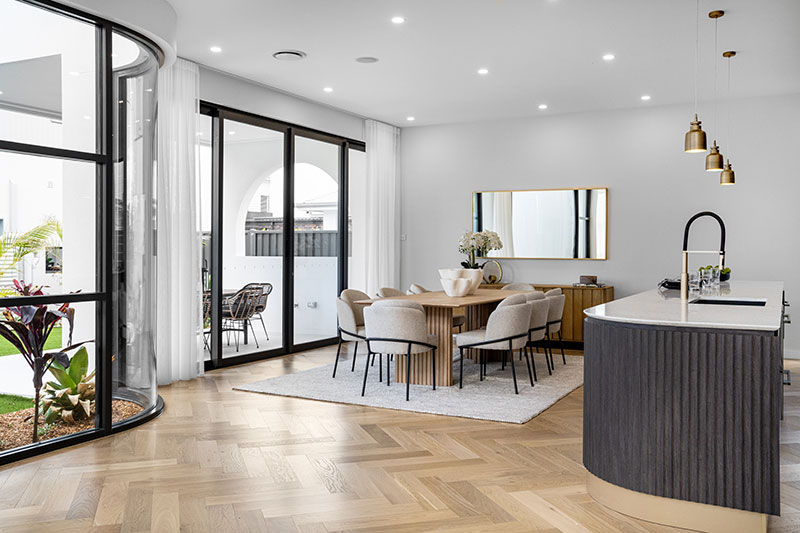
You’ve narrowed your flooring choice down to two options, either engineered timber or hybrid. Both look appealing, both promise durability and both suit Australian homes. The question is though, which one suits your home better? The answer actually depends on how you live, what you value in a floor and what you’re willing to invest. Here’s what you need to know to make the right choice.
Quick Decision Guide
Choose engineered timber flooring if:
- You want authentic timber character and warmth
- Long-term value matters more than upfront cost
- You’re willing to refinish floors every 10-15 years
- You’re renovating living areas, bedrooms, or dining rooms
- Resale value is a priority
Choose hybrid flooring if:
- Water resistance is essential (kitchens, laundries)
- You need flooring that handles heavy daily wear
- Budget constraints are tight
- You have young children or large pets
- Low maintenance is a priority
What Makes Engineered Timber Different
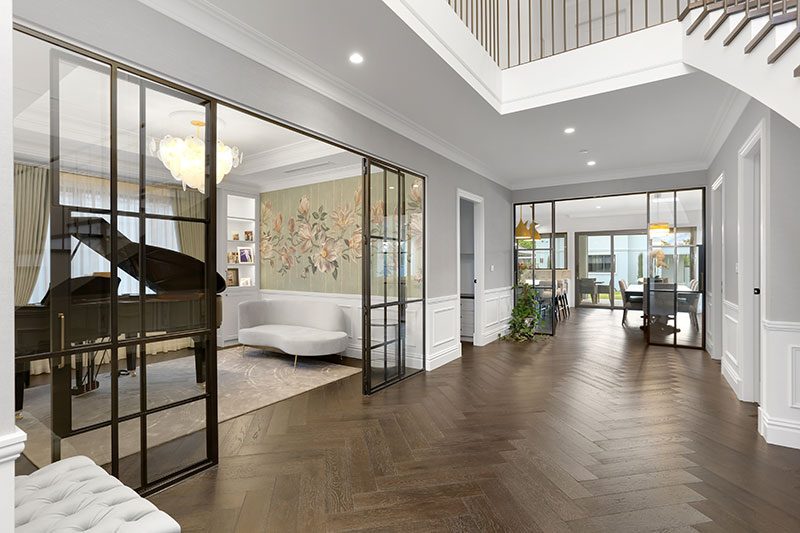
Engineered timber flooring consists of a top layer of real hardwood bonded to a stable plywood or composite base. This construction gives you genuine timber’s visual warmth and character while adding structural stability that solid timber sometimes lacks in Australian conditions.
Each plank displays unique grain patterns, colour variations, and natural features. Walk across this flooring option and you’ll feel the difference underfoot, whereby there’s a solidity and warmth that synthetic materials cannot replicate.
The standout advantage is that engineered timber can be sanded and refinished multiple times throughout its life. When the surface shows wear after years of use, you can restore it rather than replace it. This capability transforms what seems like a higher initial investment into decades of value.
This particular flooring works particularly well in living rooms, bedrooms, hallways and dining areas. The natural material helps regulate indoor humidity and adds genuine warmth during cooler months.
Understanding Hybrid Flooring’s Strengths
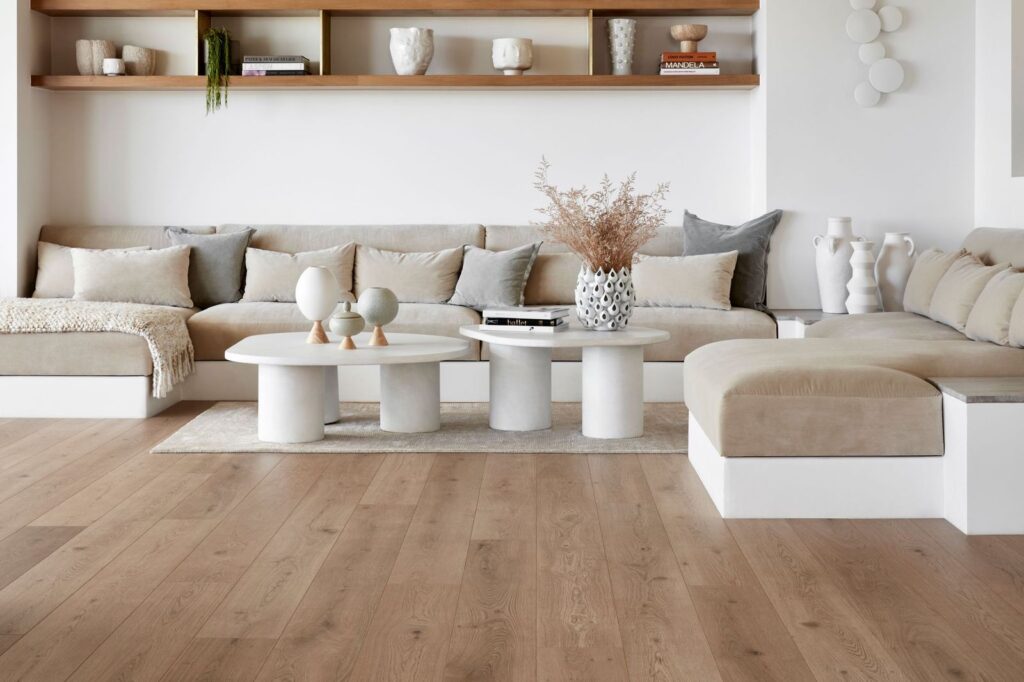
Hybrid flooring combines elements of vinyl and laminate technology into a multi-layered product designed for practicality. Its rigid core provides stability, while the wear layer offers protection against scratches and water damage.
Water resistance stands out as hybrid flooring’s primary advantage, where spills don’t penetrate the surface, making it suitable for kitchens, laundries and even bathrooms to an extent, essentially areas where timber typically requires extra caution. Families with young children or pets appreciate how well hybrid flooring handles daily chaos without showing immediate signs of wear.
The cost factor appeals to many homeowners as it is generally cheaper than engineered timber, making it an accessible option for full-home installations or rental properties where budget matters most.

Durability and Lifespan Considerations
Engineered timber, when properly maintained can last 2-3 decades. Additionally, with the ability to sand and refinish the surface means you’re not locked into one look forever. Scratches, dents and wear patterns can be removed, essentially giving you a new floor without replacement costs.
Hybrid flooring typically lasts 10 years or more depending on traffic levels and quality grade. While it resists scratches and water better than timber in the short term, once the protective layer wears through, the floor reaches the end of its functional life. You’ll need complete replacement rather than restoration.
Both options handle temperature fluctuations reasonably well, though engineered timber responds more naturally to humidity changes. In coastal areas with high moisture levels, proper installation and subfloor preparation matter more than the flooring type itself.
Maintenance Requirements
Engineered timber needs regular sweeping and occasional damp mopping with pH-neutral cleaners. Every 10-15 years, depending on traffic, you’ll want to refinish the surface. This involves light sanding and applying new protective coatings, which typically takes a few days and leaves you with a refreshed floor.
Hybrid flooring requires only regular sweeping and mopping. No refinishing, no special treatments, no need to worry about water during cleaning. The trade-off is that when damage does occur, you’re replacing planks or sections rather than restoring them.
Cost Analysis Over Time
Upfront, hybrid flooring costs less and sometimes significantly so. This makes it attractive for immediate budget concerns or when covering large areas. Engineered timber requires higher initial investment but spreads that cost over decades. Factor in one or two refinishing sessions over 30 years, and the cost per year often works out similarly to hybrid flooring that needs complete replacement after 15-20 years.
For investment properties or homes you plan to sell, engineered timber typically adds more resale value. Buyers recognise quality timber flooring and factor it into their valuations.
Room by Room Recommendations
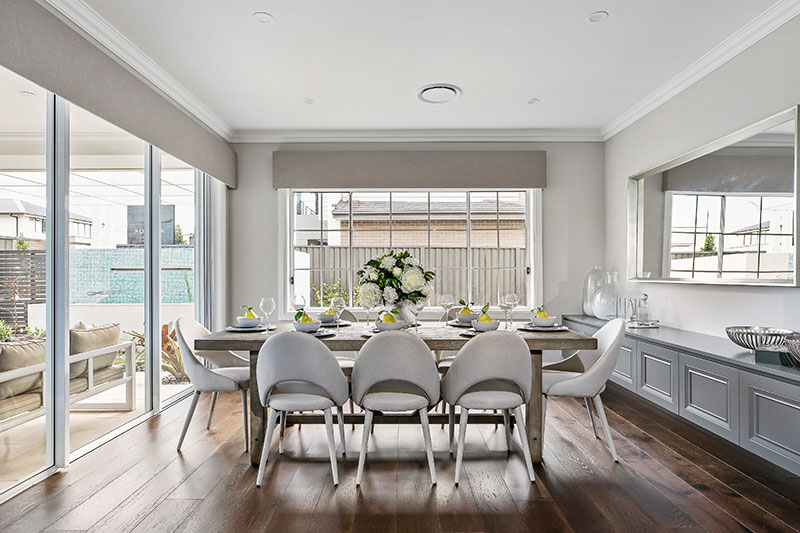
Living rooms, bedrooms, and hallways: Engineered timber excels here. These spaces benefit from timber’s warmth and character, and they’re typically low-moisture areas where timber performs well.
Kitchens
Both work, but your lifestyle determines the winner. Serious cooks who worry about water damage often prefer hybrid. Those prioritizing aesthetics and willing to wipe spills promptly choose engineered timber.
Bathrooms and laundries
Hybrid flooring makes more sense. Constant moisture exposure in these areas puts timber at risk even with proper sealing.
Open-plan living
Many homeowners use engineered timber in living/dining areas and transition to hybrid in the kitchen zone. This gives you timber’s beauty where you’ll appreciate it most while keeping practical flooring where you need it.
Making The Right Decision on Your Floors
Your choice comes down to priorities as engineered timber offers authenticity, longevity and the ability to refresh your floors as trends change. Hybrid flooring delivers water resistance, lower upfront costs, and minimal maintenance demands. We guide homeowners through this decision regularly and we assess your specific rooms, lifestyle factors and budget to recommend the best flooring solution and no matter the type of floor, proper installation makes the difference.